
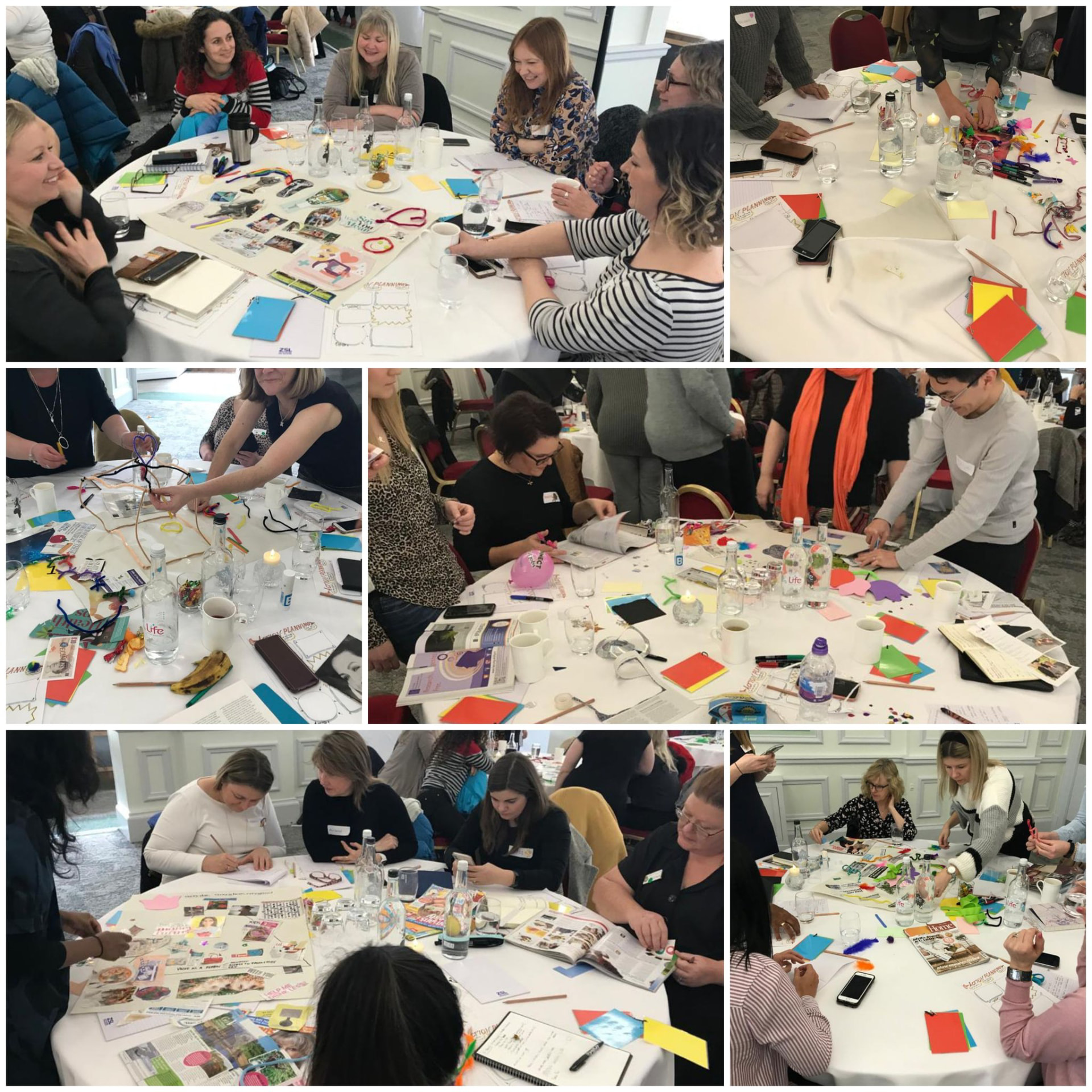
Most teams already know roughly what is wrong. What they lack is a safe, structured space to say it out loud, hear each other properly and decide together what to do. That is what facilitation provides.
Louise designs each session around your team's actual situation, using structured exercises, honest reflection and practical planning. The role of the facilitator is to hold the structure and the psychological safety, keep the conversation useful, notice what is not being said, and make sure the day ends with clear commitments rather than good intentions.
Team development, leadership development, or both
A group of people who happen to work in the same physical space or service area do not necessarily constitute a team. To be a team needs something more in the interactions between members, the trust that is built and developed, the shared understanding. High-performing teams establish a shared set of behaviours which builds a collaborative working environment focused on continuous learning, delivery and improvement. And these are consciously created, not left to accident.
Team development focuses on how a specific group works together: clarity of purpose and roles, trust, how decisions get made, how disagreement is handled, and how the team connects with others around it.
Leadership development focuses on the behaviours that shape culture: how leaders set expectations, give and receive feedback, hold accountability compassionately, and stay consistent under pressure. Leadership culture is contagious — teams tend to reproduce what they experience from above.
Many organisations need both, sequenced deliberately: leaders first, so the team work is not undermined by the behaviour it depends on.
 A team that has grown quickly or experienced a lot of turnover and lost shared clarity