Organisational culture & change

Organisational culture and change support

Understand what is really happening before deciding what needs to change.

Yew Thrive helps organisations make sense of their culture — the everyday behaviours, relationships, systems and conversations that shape what it is actually like to work there — and then supports leaders and teams to move towards something healthier and more effective, together.

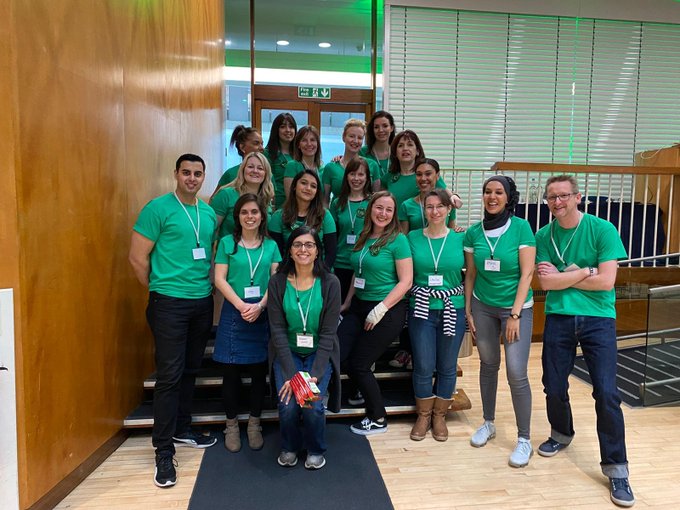
A team in matching green shirts together at an unconference event

The basics

What is organisational culture?

Organisational culture is the pattern of shared behaviours, beliefs, relationships and unwritten rules that shape how work actually gets done. It is not the values statement on the wall. It is what happens when someone raises a concern, when a deadline slips, when two teams disagree, and when nobody is watching.

Because culture lives in everyday interaction, it shows up in things organisations already measure: retention, engagement, absence, complaints, quality of service or care, and how well change lands. When those indicators move in the wrong direction together, it is usually a culture signal rather than a series of unrelated problems.

Culture, employee experience and engagement

These terms are often used interchangeably. It helps to separate them. Employee experience is the sum of everything a person encounters at work, from recruitment and onboarding to development, technology, workload and how their manager behaves. Engagement is one outcome of that experience — how connected and willing to contribute people feel. Culture is the underlying system that produces both.

One of the most telling markers is whether people would recommend their organisation as a place to work, or recommend its services to someone they care about. That single question shapes reputation and recruitment long before it appears in a survey report.

That is why engagement scores rarely improve for long through engagement activity alone. Sustainable improvement comes from changing the conditions that created the scores.

Signs to look for

Signs your culture may need attention

None of these on its own means your culture is broken. Several together usually mean something systemic is happening.

  • Turnover is rising, particularly among experienced people
  • Exit interviews repeat the same themes
  • Engagement survey results are static or falling
  • Concerns are raised informally but rarely formally
  • Grievances, conflict or bullying complaints are increasing
  • Cliques get in the way, and pockets of your workforce feel excluded
  • Change initiatives meet quiet resistance and stall
  • Leadership behaviour varies significantly between teams
  • Meetings are polite but the real conversation happens afterwards
  • Quality, safety or customer satisfaction is slipping
  • Growing, innovating and adapting feels harder than it should
  • A regulator or external review has raised concerns

If you recognise several of these, the useful next step is not a bigger initiative. It is a clear, honest picture of what is happening and why.

Who it is for

Who this work is for

Leaders this work supports

  • CEOs and business owners
  • Chief People Officers and HR Directors
  • Chief Operating Officers
  • Organisational development leaders
  • Transformation and programme leaders
  • Senior NHS, healthcare and public sector leaders

This work suits organisations where leaders recognise something in the culture could be better and are prepared to take part in the work themselves. It is not a tick-box exercise, and it is not an external consultant doing culture to employees.

Problems this work commonly helps with

  • High staff turnover
  • Employee disengagement
  • Workplace conflict
  • Disconnected teams
  • Poor collaboration between functions
  • Resistance to change
  • Inconsistent leadership behaviours
  • Low morale
  • Bullying and harassment concerns
  • Variable service or care quality
  • Cliques, or people feeling excluded
  • Culture initiatives that did not last

Yew Thrive works with organisations from approximately ten employees upwards. Smaller organisations often move faster; larger ones usually need more attention to how different parts of the organisation experience the same culture differently.

Approach

How Yew Thrive approaches culture diagnostics

Diagnosis is not about producing a verdict. It is about exploring the culture as it is experienced now, from a range of perspectives — because our own experiences shape the view we each hold. Change can only really happen when there is a shared understanding of the starting point, and that understanding has to be one people recognise as true.

Louise draws on evidence-based tools and approaches, alongside:

  • The data you already have: engagement results, retention and turnover, exit interviews, absence, complaints, incidents, quality and performance information
  • Structured conversations, focus groups and listening sessions with people at different levels and in different roles
  • Observation of how work really happens — meetings, handovers, decision-making and escalation
  • Attention to systems and processes that quietly shape behaviour, such as appraisal, reward, rotas, workload and how concerns are handled

The output is a clear narrative with themes, evidence and specific, prioritised areas to work on — written in plain language, and designed to be shared with the people it describes.

Collaborative change and involvement

Once there is a shared picture, the work shifts to what happens next. Yew Thrive facilitates sessions where leaders and teams co-design the cultural vision and the specific behaviours that would make it real, then decide who will do what and how progress will be visible.

The best change is done with people, not to them.

Involvement is not a nice-to-have here. It is the mechanism. People who help shape a change are far more likely to sustain it — and they notice things an external consultant never will. Louise's role is to create the conditions for those honest conversations, hold the structure, ask the difficult questions, and make sure the work reaches practical action.

What it may involve

What the process may involve

Every organisation is different, so this is a shape rather than a fixed programme. It is always agreed with you first.

  1. 01

    An initial conversation

    A no-obligation conversation about what is happening, what you have already tried and what you would like to be different. If Yew Thrive is not the right fit, Louise will say so and suggest what might be.

  2. 02

    Contracting and agreement

    A clear agreement covering the shape of the work, who will be involved, what it will cost and how we will work together. This is the practical foundation before any design begins.

  3. 03

    Co-designing the scope

    A short piece of design work with a small group of stakeholders rather than a single conversation, agreeing the specifics of your culture programme: the questions the work will answer, and how you will know it has been worthwhile.

  4. 04

    Diagnostic and sense-making

    Reviewing existing data and holding structured conversations across the organisation, carried out with a small number of people from inside the organisation. That builds their skills and means the findings are discovered from within rather than being one outsider's view.

  5. 05

    Sharing the picture

    Feeding back a clear, honest narrative to leaders and, wherever possible, more widely — so the starting point is genuinely shared rather than owned by a few.

  6. 06

    Co-designing what changes

    Facilitated sessions where leaders, teams and the internal group agree the cultural vision, the behaviours that support it and the small number of prioritised actions that will make the biggest difference.

  7. 07

    Supporting and embedding

    Coaching for leaders, development for teams, practical tools and periodic check-ins — with a deliberate focus on leaving capability behind rather than dependency.

Potential outcomes

What organisations often notice afterwards

  • A clear, shared understanding of what is really driving the current culture
  • Leaders who are clearer about how their own behaviour shapes culture, what to do differently, and a plan of support to help them do it
  • Teams that are more connected and better able to raise and resolve issues themselves
  • Fewer problems escalating into grievances, conflict or formal processes
  • Improved staff experience, reflected in stronger relationships and longer service
  • Change initiatives that land better because people were involved in shaping them
  • Better quality of work and service, because people are able to do their jobs well
  • Internal capability and language for continuing the work without external support

Why Yew Thrive

Why work with Yew Thrive on culture

Yew Thrive is led personally by Louise Pramas MA, FCIPD, ILM7. You work directly with Louise, who has spent more than 18 years in senior leadership roles in the NHS in England, specialising in organisational development, staff experience, positive people management and culture transformation.

Most recently, in a national culture transformation role at NHS England, Louise supported organisations and Integrated Care Systems through culture change journeys using evidence-based approaches, coached senior leaders and programme leads, and facilitated workshops to co-design cultural visions and supporting behaviours. She contributed to national policy including the NHS People Plan for England, the NHS 10-Year Workforce Plan and the NHS Staff Standards for England, and has led revisions to the NHS Culture and Leadership Programme since 2020.

That means senior organisational expertise, applied with care. Yew Thrive is values-led, evidence-based and unusually focused on leaving internal capability behind — because the measure of good culture work is what continues after it ends.

What people say about working with Louise

“Louise handled a sensitive and emotional day with care and compassion. A huge thank you for creating such a safe space for reflection.”
NHS England participant
“My expectations were exceeded. I was worried it could feel out of control, but it all felt very supported and structured in a good way.”
NHS England participant

Questions

Frequently asked questions

How long does culture work usually take?
It depends on what you are trying to shift, how ready people are to take part and the size of your organisation. Diagnostic and sense-making work often runs over four to 12 weeks. Meaningful, visible change in everyday behaviour usually takes months rather than weeks, which is why Yew Thrive focuses on building internal capability rather than staying indefinitely.
Do we need a survey or diagnostic before we start?
Not always. Many organisations already hold plenty of data in engagement surveys, exit interviews, complaints, sickness records and turnover figures. Often the missing piece is not more data but the stories behind the numbers and an impartial, honest interpretation of what it means. Where a diagnostic does add value, Yew Thrive uses a range of evidence-based tools and structured conversations.
Is this only for large organisations or the NHS?
No. Louise's background is in senior NHS leadership, and that experience transfers well to complex organisations, but Yew Thrive works with organisations from approximately ten employees upwards across the public, private and voluntary sectors.
What if leaders are part of the problem?
That is common, and it is usually not deliberate. Leaders shape culture through what they notice, tolerate, reward and model, often without realising it. Yew Thrive creates conditions where that can be discussed honestly and constructively, with support for leaders to change what they do rather than blame for what has happened.
Where does Yew Thrive deliver this work?
Yew Thrive works across the South East, London and beyond. Support can be delivered in person, remotely or in a blended way, depending on the organisation and the work. Wherever you are based, it is worth a conversation.

Let's talk

Start with a conversation about what is happening.

You do not need a defined brief or a budget approved. Tell Louise what you are seeing and she will be honest about whether and how Yew Thrive could help.